What is a tribute diamond? The personalized memorial guide

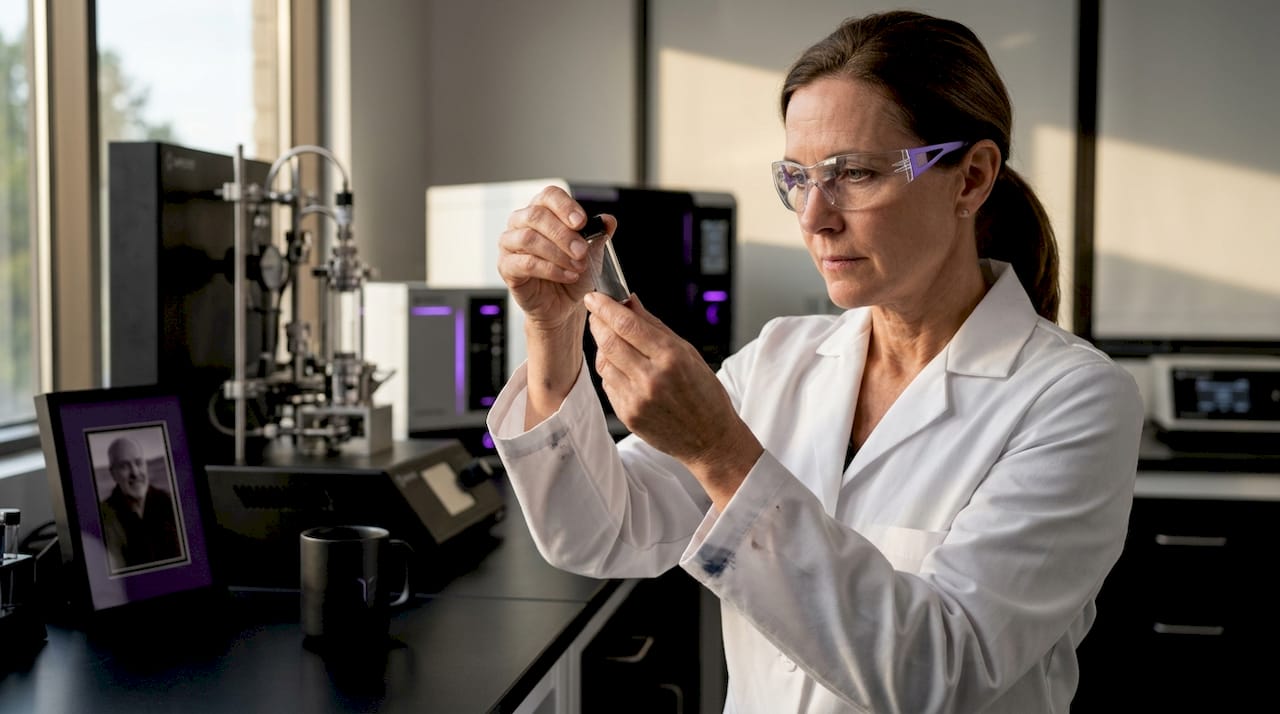
Most people assume memorial diamonds are just polished synthetic stones sold with a sentimental story attached. They’re not. A tribute diamond is a real, certified diamond grown from carbon extracted directly from a loved one’s cremated ashes or hair, making the stone itself a physical extension of that person. If you’re exploring ways to memorialize someone who mattered deeply to you, understanding what a tribute diamond actually is, how it’s made, what it costs, and how to personalize it will help you make a decision you won’t second-guess.
Table of Contents
Costs, timelines, and what to expect during the tribute diamond creation
Personalization options: colors, cuts, and jewelry settings for tribute diamonds
Comparing tribute diamonds to other memorial options: benefits and considerations
How to create your tribute diamond: a step-by-step guide and tips
Why tribute diamonds offer a unique dimension to memorialization
Create your own meaningful tribute diamond with Shineternity custom design
Key Takeaways
Point | Details |
Tribute diamond basics | Tribute diamonds are real, lab-grown gems created from a loved one’s cremated remains or hair carbon. |
Process and timelines | Creating a tribute diamond takes about 5-8 months, with extra time for larger stones or customization. |
Cost factors | Starting costs are around $3,000; setting and maintenance add to the total investment. |
Customization | You can personalize color, cut, size, and jewelry style to uniquely honor your loved one. |
Memorial options | Tribute diamonds offer a durable, wearable memorial contrasting urns or keepsake jewelry in emotional and practical value. |
What is a tribute diamond and how is it made?
A tribute diamond is not a diamond with ashes pressed inside a compartment or a stone engraved with a name. According to lab-grown diamond science, tribute diamonds are lab-grown diamonds created from carbon isolated directly from cremation ashes or hair to serve as a meaningful memorial. That distinction matters enormously. The diamond you wear is composed of your loved one’s carbon, not just associated with them.
The tribute diamond meaning goes deeper than symbolism. Chemically, these stones are identical to mined diamonds, with the same hardness, clarity potential, and brilliance. The difference is in origin, not quality.
Here’s how the creation process works, from start to finish:
Material submission. You send a measured quantity of cremated remains or hair (typically around 200 grams of ashes or a small lock of hair) to the provider, along with documentation establishing chain of custody.
Carbon purification. The lab isolates and purifies the carbon from your submitted material, removing impurities that would compromise diamond growth.
Diamond growth. Purified carbon is placed in a growth chamber and subjected to extreme heat and pressure, replicating the natural conditions that form diamonds underground. This stage is where the stone literally comes to life.
Cutting and polishing. Once grown, rough diamond material is cut and polished by skilled gem cutters to your chosen shape and size.
Certification. The finished stone receives gemological certification confirming its authenticity, quality grade, and origin.
The difference between a tribute diamond and regular diamonds from a mine is simple: one carries a geological history, the other carries a personal one. For custom diamond inspiration on how families have memorialized loved ones this way, real-world examples show just how varied and personal these stones can be.
Costs, timelines, and what to expect during the tribute diamond creation
Understanding the fabrication process helps, but knowing the costs and timeline ensures you can plan your tribute diamond memorial with confidence.
Creating a tribute diamond is not a fast process, nor an inexpensive one. The typical timeline ranges from 5 to 8 months, often longer for larger sizes, with starting costs over $3,000. Larger stones require significantly longer growth periods, sometimes pushing total timelines beyond a year when you factor in jewelry setting and final delivery.
Typical costs to budget for:
Base diamond creation: $3,000 to $20,000+ depending on carat size and color
Jewelry setting fees: often $500 or more for a quality ring, pendant, or earring mounting
Insurance appraisal: $50 to $150 through a certified gemologist
Ongoing maintenance: resizing, prong checks, and cleaning every few years
Certification and shipping: not always included in advertised pricing, so confirm upfront
“The emotional value of a tribute diamond is permanent. The financial investment is a one-time event. Treat the budget conversation the same way you’d treat planning a wedding: account for every line item before you commit.”
Pro Tip: Ask every potential provider for an itemized quote that explicitly lists what is and is not included. Certification fees, insured shipping, and secondary polishing are frequently quoted separately.
For families who want to explore how diamond keepsake heirlooms fit into long-term memorial planning, thinking about the stone as a multi-generational investment rather than a one-time purchase reframes the cost entirely.
Personalization options: colors, cuts, and jewelry settings for tribute diamonds
Beyond the science and cost, how you customize your tribute diamond reflects your personal connection and memorial vision.
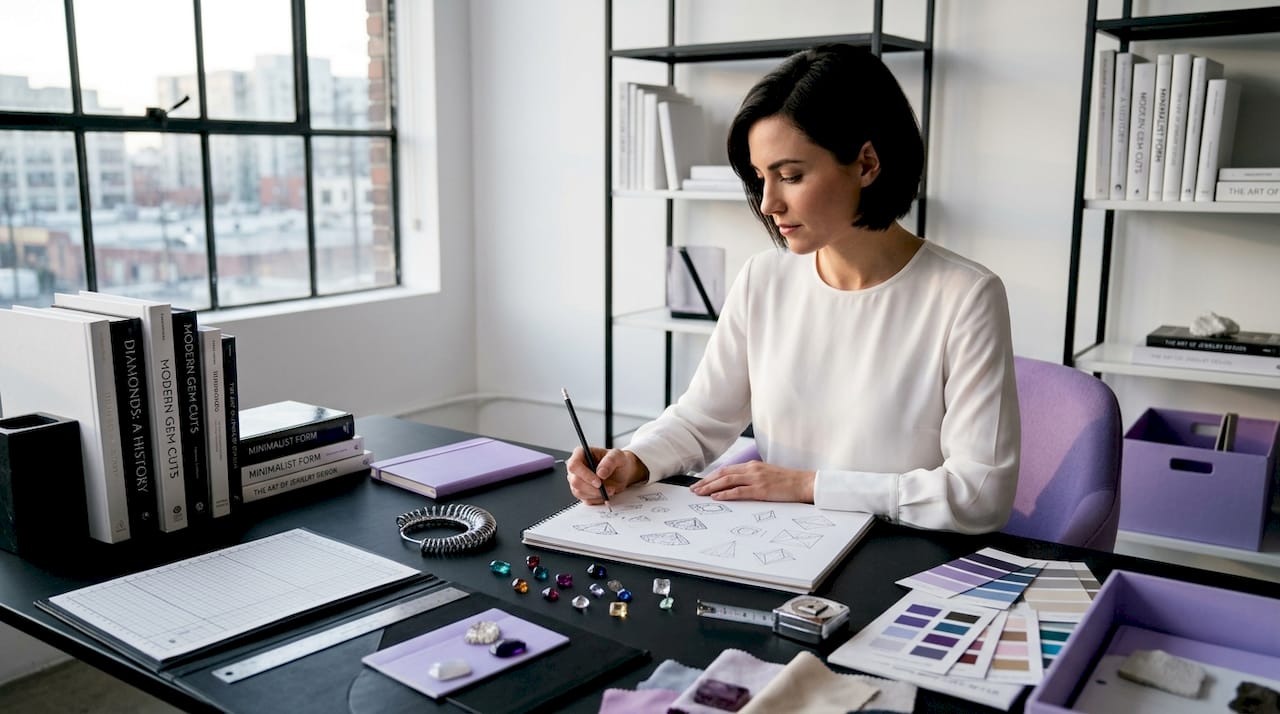
The significance of tribute diamonds often lives in the choices you make during personalization. These are not off-the-shelf stones. Every element of the finished piece can reflect your loved one’s personality, favorite color, personal style, or the relationship you shared.
What you can typically customize:
Color. Memorial diamonds can be made in hues including blue, pink, yellow, green, and colorless white. Color is influenced by trace elements introduced during growth or by post-growth treatment. Blue is the most commonly requested color for memorial stones.
Cut. Round brilliant, princess, cushion, oval, pear, and emerald cuts are all available. The cut affects how light interacts with the stone, with round brilliant offering the most sparkle.
Carat size. Options typically range from 0.25 carats up to 1.0 carats or larger. Size affects both visual impact and the growth time required.
Jewelry setting. Rings, pendants, earrings, and bracelets can all accommodate tribute diamonds. Custom settings allow you to incorporate design elements meaningful to your family.
Metal type. White gold, yellow gold, rose gold, platinum, and silver are common options, each changing the visual tone of the finished piece.
Engraving. Many providers offer interior engraving on bands or settings, allowing you to add a name, date, or short phrase.
Exploring custom jewelry design options early in the process gives you time to align your vision with what’s technically achievable, especially for unusual shapes or stone sizes. For a broader overview of available styles, a commemorative diamonds guide covers the full range of choices families typically work through.
Comparing tribute diamonds to other memorial options: benefits and considerations
To decide if a tribute diamond suits you, let’s compare it with other memorial options in terms of meaning, cost, and use.
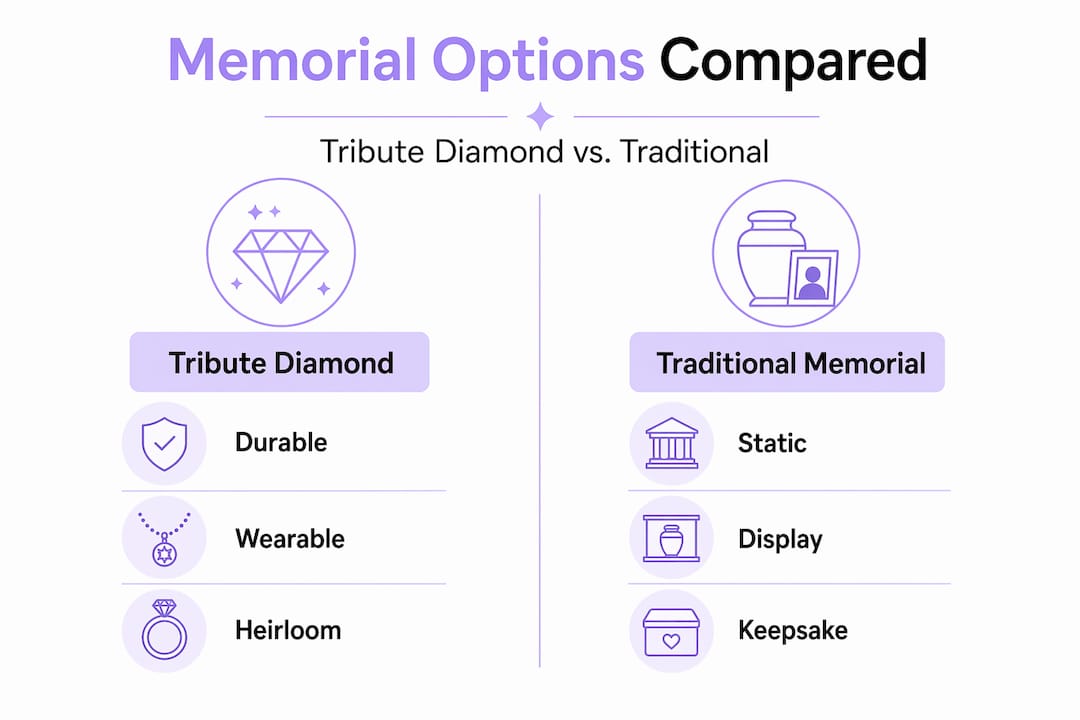
How you memorialize someone is deeply personal. There’s no universally right answer. But understanding the differences between options helps you choose what genuinely fits your grief, your lifestyle, and your budget.
Memorial type | Durability | Wearability | Cost range | Heirloom potential |
Tribute diamond | Extremely high | Daily wear possible | $3,000 and up | Very high |
Cremation urn | High (if stored) | Not wearable | $100 to $2,000 | Moderate |
Ashes keepsake jewelry | Moderate | Daily wear possible | $50 to $500 | Low to moderate |
Traditional burial plot | Permanent | Not wearable | $1,500 to $10,000+ | Low |
Tribute diamonds provide a lasting tangible memorial that combines emotional value with durability, unlike cremation jewelry that stores ashes or traditional urns that serve primarily ceremonial purposes.
Key considerations when comparing:
Urns are meaningful central gathering points but are stationary. A tribute diamond travels with you.
Ashes keepsake jewelry keeps remains close but typically uses a small compartment rather than incorporating the person’s carbon into the material itself.
Tribute diamonds can be passed to children and grandchildren, carrying meaning across generations in a way a fragile keepsake often cannot.
Some families choose more than one memorial form. A tribute diamond for the immediate family member and an urn for the family home, for example.
Pro Tip: If budget is a concern, a smaller tribute diamond paired with a simpler setting still carries the full emotional weight of the memorial. Size is not significance.
Families working through these choices often find it helpful to look at how others have approached memorial jewelry diamonds to see what resonates emotionally before committing to a specific form.
How to create your tribute diamond: a step-by-step guide and tips
With knowledge of options and costs, here’s how to practically begin creating your own tribute diamond, ensuring a meaningful and smooth experience.
Gather your materials. Collect the required quantity of cremated remains or hair as specified by your chosen provider. Most require around 200 grams of ashes or a small but sufficient lock of hair. Store materials in a sealed, labeled container.
Research providers carefully. Look for companies with transparent pricing, verifiable certification standards, and documented chain of custody processes. Choosing a provider with clear timelines and certification guarantees prevents surprises.
Submit materials with full documentation. Follow your provider’s instructions precisely. Include any required forms, chain of custody documentation, and your personal identification. This protects both you and the integrity of the stone.
Select your specifications. Decide on carat weight, color, cut style, jewelry setting type, and metal before submitting, or work with your provider to finalize these details early so there are no delays mid-process.
Plan your full timeline. Budget 6 to 10 months for the diamond itself, plus additional weeks for setting, final inspection, certification, and shipping.
Stay in communication. A reputable provider will offer progress updates. Don’t hesitate to ask for photos or status checks at key milestones in the growth process.
Pro Tip: Ask specifically whether your provider uses your loved one’s carbon exclusively or blends it with supplemental carbon to achieve growth. The answer shapes how meaningful the stone truly is to you.
A detailed DNA diamond guide walks through what to look for in providers who specifically use hair and nail DNA, which matters if you want biological material rather than cremated remains as your carbon source.
Why tribute diamonds offer a unique dimension to memorialization
Here’s a perspective most memorial conversations skip: grief has a shape problem. It’s enormous, formless, and unresolvable. Most memorial forms ask you to visit it, stand near it, or place flowers on it. A tribute diamond asks you to wear it, which is a fundamentally different emotional relationship.
Traditional memorials are places you go to remember. A tribute diamond is something you carry into every ordinary moment: grocery runs, birthday dinners, your kid’s school play. That continuous, low-key proximity to something physically made of your loved one does something for the nervous system that a cemetery visit simply cannot replicate.
What I find most underappreciated about tribute diamond meaning is the generational shift it represents. For most of human history, grief was collective and place-based. Families gathered at graves or kept urns on mantles. Tribute diamonds individualize that, allowing each family member to carry their own piece of the person they lost, whether that’s a ring, a pendant, or a stone set into a watch.
The personalization aspect also quietly does something therapeutic. Choosing your loved one’s favorite color for the stone, selecting a cut that matches their personality, deciding whether the setting is bold or understated. These are small decisions that force you to think about who that person was, not just that they’re gone. That reframe matters.
None of this erases the cost or the wait. But families who’ve gone through the process consistently describe the finished stone not as something they bought, but as something they made. That’s a distinction worth sitting with before you decide. Exploring custom diamond inspiration from others who’ve walked this path often clarifies whether this is the right memorial form for you.
Create your own meaningful tribute diamond with Shineternity custom design
Ready to transform your cherished memories into a lasting tribute? Shineternity’s custom jewelry design services combine the science of memorial diamond creation with artisan craftsmanship, guiding you through every decision from carbon submission to final setting.
Working with Shineternity means you’re not navigating this alone. Their team supports the full emotional and creative journey, helping you choose the right color, cut, and setting to honor your loved one’s story in a stone that lasts lifetimes. Whether you’re just beginning to explore custom diamond inspiration or you’re ready to start building your diamond keepsake heirloom, an early consultation clarifies timelines, budgets, and design possibilities before you commit. Peace of mind starts with the right partner.
Frequently asked questions
What exactly is a tribute diamond?
A tribute diamond is a real, certified lab-grown diamond created from carbon extracted from a loved one’s cremated ashes or hair, serving as a personalized, lasting memorial rather than a generic stone.
How long does it take to create a tribute diamond?
The process typically takes 5 to 8 months, though larger or more customized stones may require additional time, and setting plus delivery adds further weeks to the total timeline.
What are the main costs involved in getting a tribute diamond?
Starting costs are around $3,000 for smaller stones, and post-delivery expenses including jeweler setting fees of $500 or more, insurance appraisal, and ongoing maintenance add to the total investment.
Can I customize the color and setting of my tribute diamond?
Yes, memorial diamonds are available in a range of colors including blue, pink, and yellow, and can be set in rings, pendants, or earrings in your preferred metal type, with engraving options available.
How do tribute diamonds compare to traditional urns or ashes jewelry?
Tribute diamonds offer durability, wearability, and heirloom potential that urns and compartment-based ashes jewelry typically cannot match, though they require a significantly higher upfront investment.
Recommended
Comments