Creative diamond transformation types for bespoke gems


Turning something as intimate as a strand of hair or a clipping from your nail into a certified, brilliant diamond sounds like the kind of thing that belongs in a future no one has quite reached yet. But it’s here, and for those who treat jewelry as personal legacy rather than mere adornment, the real challenge isn’t whether this technology exists. It’s knowing which creative transformation type matches your vision, your values, and the story you want to wear forever.
Table of Contents
Key Takeaways
Point | Details |
Personalization options | DNA-infused diamonds can be crafted in ways as unique as your story and legacy. |
Scientific methods | HPHT and CVD offer distinct paths to creating custom diamonds, each with unique benefits. |
Certification and value | Creative diamonds are certified, but their true worth lies in their meaning, not their market resale. |
Emotional legacy | Transformation types like memorial, celebration, and heirloom diamonds preserve emotion across generations. |
Key criteria for creative diamond transformation
With the motivation for personalization set, let’s identify what really matters when designing a bespoke DNA-infused diamond.
Every bespoke diamond decision starts before anyone touches a machine or processes a sample. The criteria you prioritize early will shape everything from the stone’s color to its emotional resonance decades from now.
Personal source material is the foundation. You can use extracted DNA from hair, nail clippings, or even skin cells. For memorial pieces, cremation ashes or preserved biological material may be incorporated. Each source material has its own handling requirements, so working with a studio that understands how to process these samples with precision and care is non-negotiable.
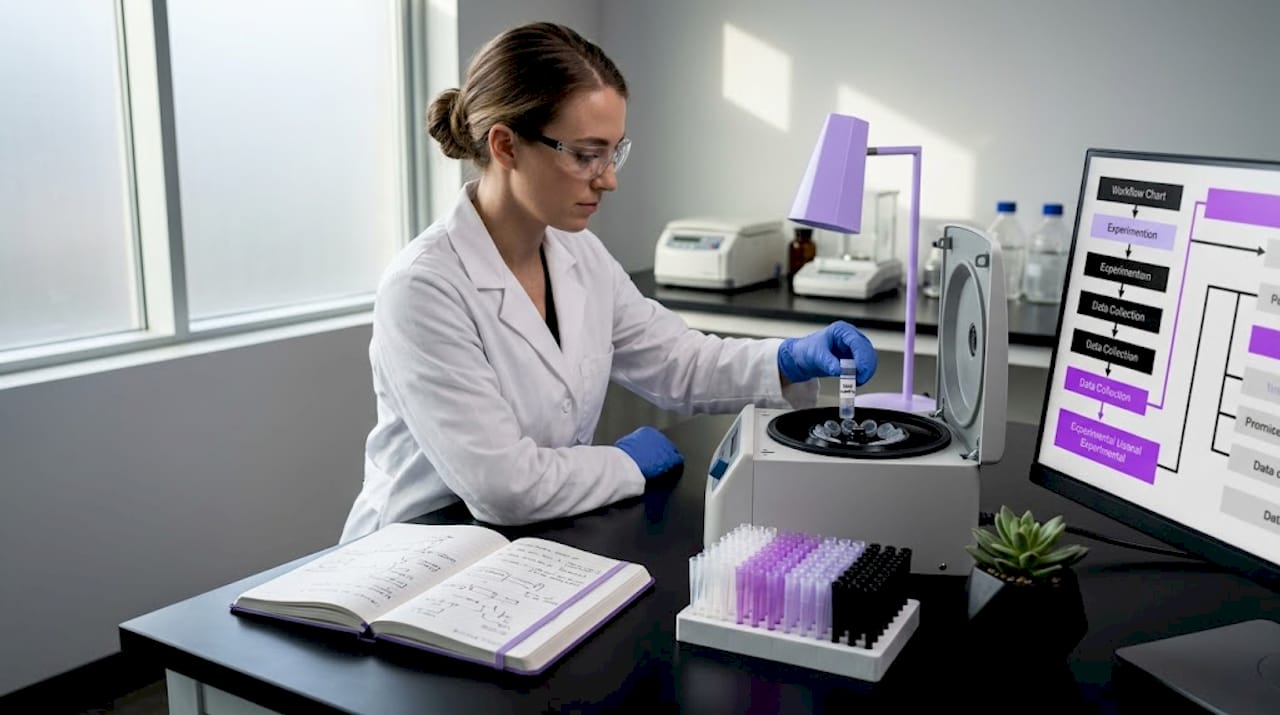
Growth method is the next layer. Lab-grown diamonds including memorial types undergo either HPHT or CVD growth, with CVD often post-treated via HPHT annealing to remove the brown tint that can result from lattice strain. HPHT, or High Pressure High Temperature, compresses carbon at extreme conditions to mimic what happens deep in the earth. CVD, or Chemical Vapor Deposition, builds the diamond layer by layer in a controlled chamber. Each method produces different aesthetic results and suits different transformation goals, which we’ll explore in depth below.
Understanding diamond quality factors like cut, color, clarity, and carat weight helps you communicate your aesthetic goals with precision. Do you want a vivid blue stone for a memorial? A colorless round brilliant for an engagement piece? Each preference connects back to which growth method and post-treatment approach will be used.
Certification standards matter more than many clients expect at the outset. Major grading labs are updating their frameworks specifically for lab-grown diamonds, so understanding current certification options prepares you for discussions about documentation, resale transparency, and quality assurance.
Timeline and process expectations are especially relevant given that the DNA extraction from hair or nails takes as little as two hours, but the full diamond growth cycle runs considerably longer. Knowing the full journey from sample to finished gem helps you plan for milestone presentations or emotionally significant dates.
Here’s a quick checklist of criteria to review before committing to a transformation type:
Source material: DNA from hair, nail, or ashes
Growth method preference: HPHT, CVD, or combined
Aesthetic goals: color, carat, cut style, finish
Certification requirements: GIA, IGI, or in-house documentation
Custom inscription or signature marking
Timeline constraints tied to significant dates
Pro Tip: Provide a slightly larger DNA sample than the studio requests. Having backup material ensures there are no delays if the initial extraction yields less than expected.
Popular transformation types for DNA-infused diamonds
Now that you understand the essential evaluation criteria, let’s explore the most creative transformation types available for your unique diamond.
The emotional context of your diamond drives the transformation type more than any technical spec. Here are the five most meaningful and widely chosen creative approaches.
Memorial diamonds from ashes or hair. These are crafted in honor of someone who has passed, using their physical trace as the carbon source. The result is a stone that carries genuine biological continuity with the person it commemorates. Memorial diamonds are chemically identical to natural mined diamonds, but major labs are moving toward simplified grading for lab-grown stones, emphasizing their distinction and noting lower resale value. The emotional worth, however, is incalculable.
DNA-infused celebration diamonds. Milestones like a child’s birth, a major professional achievement, or a significant birthday all deserve something more permanent than a trophy or a bottle of champagne. Custom gems with meaning allow you to mark those moments with a physical anchor tied to the biology of the person being celebrated.
Couples’ DNA diamonds. Blending DNA from two people into a single stone is one of the most intimate acts in modern jewelry. These are increasingly popular as engagement or anniversary pieces, where the shared stone represents genuine biological union, not just symbolic commitment.
Heirloom and generational fusion diamonds. Combining DNA or material from multiple family members across generations creates a stone that functions as a living archive. These pieces are designed to be passed down, growing in emotional complexity with each generation that wears them.
Signature-inscribed or custom-marked lab diamonds. Some clients prioritize the visual storytelling of the finished gem itself, using laser inscription, custom cuts, or unique color treatments to make the diamond visually one-of-a-kind. Personalized luxury DNA gems in this category often blend multiple techniques for maximum distinction.
“The most valuable thing a bespoke diamond can carry isn’t a grading certificate. It’s the story no gemologist can quantify.”
Choosing between these transformation types isn’t about which one is objectively better. It’s about which one resonates with the narrative you want the stone to hold. Intimate DNA diamonds carry a different emotional charge than a celebration diamond, even when both are technically identical in quality. The transformation type you choose sets the tone for how you and the people who matter to you will relate to the piece for the rest of its existence.
HPHT versus CVD: Methods behind creative transformations
To make the most informed choice, it’s crucial to grasp how each transformation approach works under the surface.
Both HPHT and CVD produce genuine diamonds. But they do so through fundamentally different physical processes, and those differences affect everything from inclusion patterns to color range to post-treatment requirements.
HPHT simulates the conditions found deep underground. Temperatures reach approximately 1,500°C at over one million PSI of pressure. Carbon is dissolved into a molten metal flux and crystallizes around a seed crystal. This process tends to produce stones with excellent colorless results when executed precisely, but the metallic flux medium can leave small metallic inclusions visible under magnification. For memorial and DNA transformation work, HPHT is often the finishing or post-treatment step rather than the primary growth method.
CVD builds the diamond atom by atom in a plasma chamber using carbon-rich gas. Growth cycles typically span 2 to 4 weeks depending on the target carat size. One well-known characteristic of CVD diamonds is that the layering process can introduce lattice strain, which creates a brownish tint. HPHT annealing after CVD growth corrects this, delivering the colorless or near-colorless appearance most clients prefer. CVD also allows for more precise control over trace element introduction, which is how some studios produce vivid blue or yellow tones in finished DNA diamonds.
Feature | HPHT | CVD |
Growth simulation | Natural earth conditions | Plasma chamber deposition |
Temperature | ~1,500°C | ~800-1,200°C |
Pressure required | Over 1 million PSI | Near-atmospheric |
Typical growth duration | Days to weeks | 2 to 4 weeks |
Color outcome | Colorless to slightly yellow | Colorless after annealing |
Common inclusions | Possible metallic | Layering lines under magnification |
Post-treatment needed | Rarely | Often HPHT annealing |
Best for | Colorless memorial stones | Custom color, precision DNA work |
One important detail for collectors: the GIA has detected fake inscriptions on HPHT-processed stones in recent lab notes, highlighting the importance of working only with verified, reputable studios for your memorial diamond creation. Provenance integrity is as important as the diamond’s physical quality.
Comparing the main diamond transformation types
With the science and creativity explored, let’s lay out an at-a-glance comparison to guide your selection.
Transformation type | Emotional value | Certification options | Resale value | Complexity | Best use case |
Memorial (ashes/hair) | Highest | GIA, IGI lab-grown grade | Low | Moderate | Honoring loved ones |
Couples’ DNA | Very high | IGI preferred | Low | Moderate | Engagement, anniversary |
Celebration DNA | High | IGI, in-house | Low | Low | Milestone birthdays, births |
Heirloom/generational | Highest | GIA lab-grown grade | Low | High | Multi-generation legacy |
Signature-inscribed | Moderate to high | GIA, IGI | Low to moderate | Low | Personal branding, gifts |
Major grading authorities are shifting to a premium versus standard framework for lab-grown diamonds, denoting a clear and transparent distinction from natural stones. This shift matters because it affects how you document, insure, and discuss the value of your piece going forward.
A few standout observations from the comparison:
Heirloom and generational diamonds score highest on emotional complexity because they hold the biology of multiple people across time. They are the most labor-intensive but also the most narratively layered.
Couples’ DNA diamonds fill a space that traditional engagement rings simply cannot. No mined diamond, however large, carries the biological signature of the two people who chose each other.
Signature-inscribed stones are the most accessible entry point for those new to bespoke lab diamonds, since they combine creative personalization with a simpler production path.
How you match transformation type to personal intent comes down to a single question: what do you want the stone to hold? If the answer is a person, choose memorial or DNA-infused. If the answer is a moment, celebration diamonds serve beautifully. If the answer is a relationship, the couples’ format is unmatched. Luxury gems for collectors who want stones that function as investments of meaning rather than purely financial instruments will find the heirloom category particularly compelling.
Why the true value of creative diamond transformations isn’t resale
All comparisons aside, there’s a critical perspective that transcends tables and checklists.
Most high net worth clients who come to us have already navigated the world of investment-grade natural diamonds. They understand resale markets. They’ve seen the GIA’s evolving position on lab-grown stones. And every so often, someone asks whether a DNA-infused diamond is a good investment.
The honest answer is no, not in the traditional financial sense. Resale value is lower for lab-grown diamonds compared to mined stones, and that gap isn’t closing quickly. But that question, while reasonable, misses the point entirely.
Here’s what most financial frameworks don’t capture: the asymmetry between market value and personal value in bespoke objects reaches its absolute peak with DNA-infused diamonds. A mined diamond’s value is partly speculative and partly driven by artificial scarcity. A DNA diamond’s value is entirely irreplaceable because it is literally you, or someone you love, crystallized into something that will outlast every material possession you own.
We believe the GIA’s shift toward simplified grading for lab-grown stones is actually healthy for the bespoke market. It draws a cleaner line between diamonds you buy for market positioning and diamonds you create for meaning. When your jeweler, your estate attorney, and your grandchildren all understand that this stone was made from human biological material rather than mined from the earth, the conversation about its value becomes richer, not poorer.
The practical wisdom here is straightforward. If you want a store-of-value gem, buy a certified natural diamond and be strategic about it. If you want a store-of-legacy, a DNA-infused diamond is something that no market can replicate, discount, or commoditize. Those are two different purchases for two different purposes, and conflating them leads to disappointment in both directions.
The clients who feel most satisfied with their bespoke transformation are the ones who came in knowing exactly which kind of value they were creating.
Explore creative diamond transformation with Shinlabz
If you’re ready to move from consideration to creation, see how Shinlabz can bring your vision to life.
At Shinlabz, we specialize in turning DNA extracted from hair or nail clippings into finished bespoke diamonds, and the entire extraction process takes just two hours. Our team works with high net worth clients at every stage, from selecting the right transformation type to advising on certification, setting design, and long-term care.
Whether you’re creating a memorial piece, a couples’ diamond, or a generational heirloom, we offer full-service guidance tailored to your vision and timeline. Every stone we produce carries a clear chain of custody from biological sample to finished gem. Reach out to our team to begin your personal consultation and take the first step toward a diamond that is, in every sense, irreplaceable.
Frequently asked questions
How long does it take to create a DNA-infused diamond?
The DNA extraction from hair or nails takes approximately two hours at the studio, but the full CVD growth cycle runs 2 to 4 weeks before cutting and setting begin.
Are memorial diamonds chemically different from natural diamonds?
No. Memorial diamonds are chemically identical to mined diamonds and are certified as lab-grown by major grading authorities like GIA and IGI.
Can you have more than one person’s DNA in a diamond?
Yes, several specialized studios blend DNA from multiple sources, making it possible to create couples’ diamonds or multi-generational heirloom pieces that carry biological material from more than one individual.
How does grading for lab-grown diamonds differ from natural?
The GIA is transitioning to simplified grading for lab-grown stones, moving toward a premium versus standard scale that transparently distinguishes them from mined diamonds rather than using the same detailed color and clarity grades.
Are DNA-infused diamonds a good investment?
Resale value is lower for lab-grown diamonds than for mined stones, so the primary value of a DNA-infused diamond is personal and emotional rather than financial.
Recommended
Comments