Memorial jewelry: meaning, types, and custom DNA designs

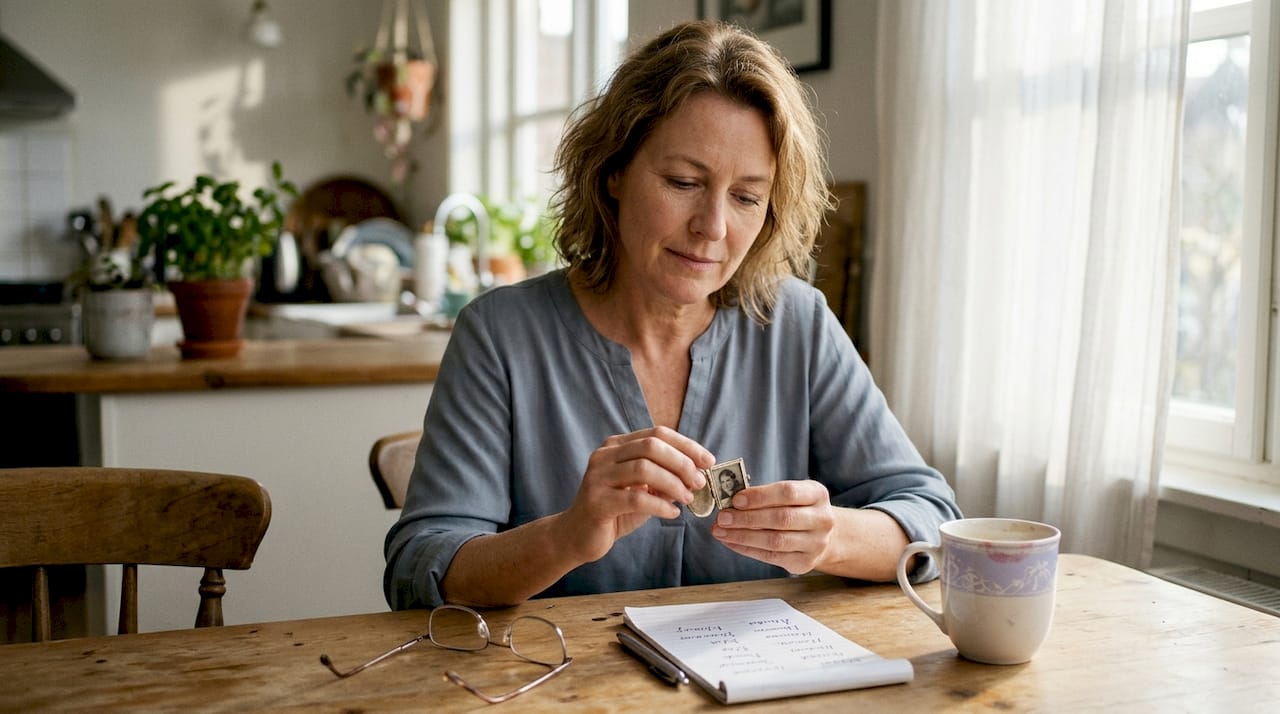
Most people picture a simple locket when they hear “memorial jewelry.” The reality is far richer. Today, families are turning hair, nails, and even ashes into lab-grown diamonds that carry real biological material from a loved one. The field now spans cremation pieces, fingerprint engravings, handwriting captures, and DNA gems. Each approach serves the same need: keeping someone you love close, in a form you can actually wear. This article walks you through every major type, explains how custom DNA designs work, and helps you figure out which path fits your tribute.
Table of Contents
Key Takeaways
Point | Details |
Personalization options | You can choose from ashes, fingerprint, handwriting, or DNA jewelry for a unique tribute. |
Custom design process | Experienced designers help you create deeply personal memorial pieces step by step. |
DNA and innovative materials | Modern techniques allow meaningful jewelry crafted from DNA, adding emotional resonance. |
Consultation is key | Working with experts ensures your memorial jewelry reflects your loved one authentically. |
Understanding memorial jewelry: Beyond tradition
Memorial jewelry is any wearable piece created specifically to honor someone who has passed. It is not a new idea. Victorians wore “mourning jewelry” filled with locks of hair or miniature portraits. The emotional impulse is ancient. What has changed is how far personalization can now go.
For most of history, memorial pieces were symbolic. A plain gold ring, a locket with a photograph, an engraved pendant with a name and date. These carry meaning, but they are general. Anyone could wear them. Modern pieces are different. They are made from the person being honored, not just for them.
The shift matters because grief is deeply individual. A ring that holds a fingerprint impression is not interchangeable. Neither is a diamond grown from someone’s DNA. These objects carry physical reality, not just memory. That changes how they feel to wear and how they function in the mourning process.
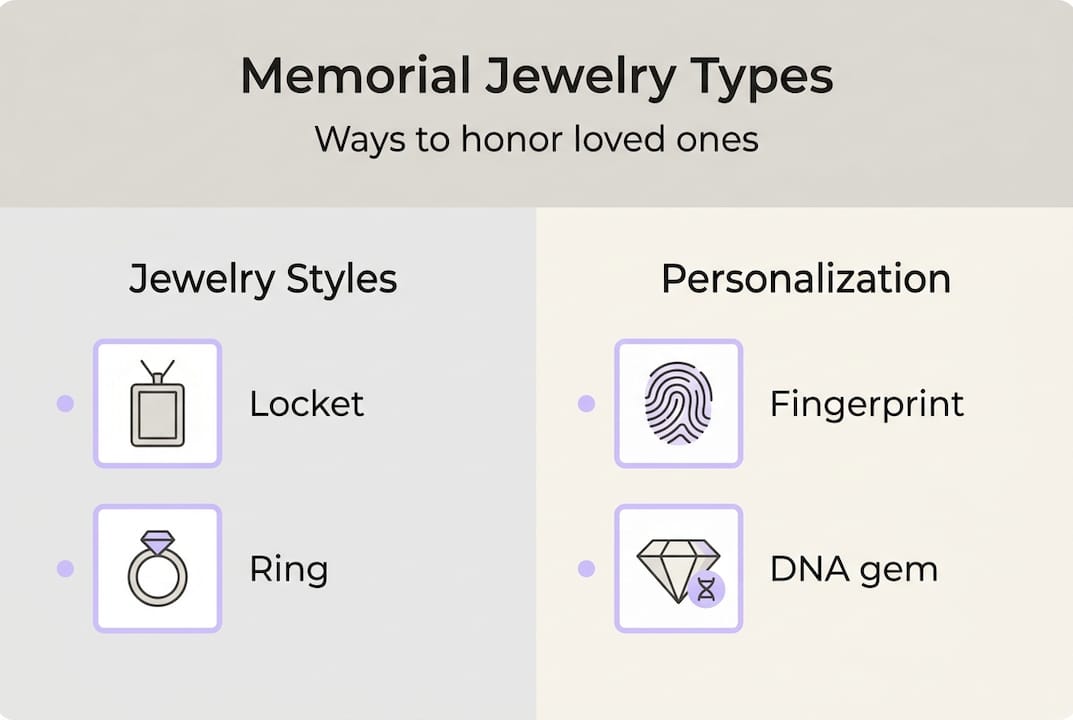
Common memorial jewelry types include cremation or ashes jewelry with sealed compartments, fingerprint jewelry engraved with unique dermal patterns, handwriting jewelry from notes or signatures, engraved pieces with names and dates, photo lockets, and birthstone tributes. Each has its own emotional weight and practical requirements.
Cremation jewelry: Holds a small amount of ashes in a sealed chamber inside a pendant or ring.
Fingerprint jewelry: Pressed or scanned impressions recreated in metal or glass.
Handwriting jewelry: A signature or note reproduced in precious metal or laser-engraved on a surface.
DNA diamonds: Lab-grown gems created from extracted DNA, hair, or nails.
Birthstone tributes: Stones tied to birth month, often set alongside engraving.
Photo lockets: Classic hinged pendants holding a printed photo.
Pro Tip: If you are considering diamonds made personal from DNA or hair, ask your provider exactly what biological material they require before you commit. Some processes need very little; others require a specific quantity or type.
“The most meaningful memorial jewelry isn’t necessarily the most expensive. It’s the piece that contains something irreplaceable from the person you lost.”
Understanding diamond creation steps is useful before you begin, because the process determines your timeline, your costs, and what you need to provide.
Types of memorial jewelry: Options for honoring loved ones
Now that we’ve uncovered the evolving meaning behind memorial jewelry, let’s explore the range of styles you can choose for a fitting tribute.
The market has expanded quickly. You are no longer choosing between a locket and an engraved ring. You are choosing between a dozen distinct approaches, each with different levels of personalization, different price points, and different emotional payoffs.
Type | Personalization level | Typical cost range | Unique element |
Cremation/ashes jewelry | Medium | $50 to $500 | Sealed ashes compartment |
Fingerprint jewelry | High | $100 to $800 | Actual dermal pattern |
Handwriting jewelry | High | $150 to $700 | Reproduced signature or note |
DNA diamond | Very high | $1,500 and up | Biological material grown into gem |
Photo locket | Low to medium | $30 to $300 | Printed photograph |
Birthstone tribute | Low | $50 to $400 | Birth month gemstone |
The memorial jewelry types span a wide range of commitment, both financially and emotionally. Simpler pieces are accessible quickly. More complex pieces, especially DNA diamonds, require a process that starts with collecting biological material.
Here is what each approach does particularly well:
Cremation jewelry works fast and is widely available. Families who want something to wear immediately after a funeral often start here.
Fingerprint jewelry captures something genuinely unique. No two prints are alike, which makes these pieces impossible to replicate for anyone else.
Handwriting jewelry works beautifully for people who saved cards, letters, or notes. The loved one’s actual script becomes the design.
DNA diamonds sit at the top of personalization. A gem grown from biological material is not a symbol of the person. It literally contains them.
Pro Tip: Before choosing a type, think about how you plan to wear the piece. A ring takes more daily wear than a pendant, so durability matters more. A pendant near your heart might carry more emotional symbolism for some people.
For custom diamond inspiration before you decide, browsing finished examples helps you understand what is actually possible versus what is just a marketing concept. You can also look at the shine of remembrance diamond as a concrete example of how these pieces look in finished form.
How DNA and personal elements shape custom memorial jewelry
Once you understand the different types available, it’s helpful to see how cutting-edge custom designs like DNA gems are made for deeper personalization.
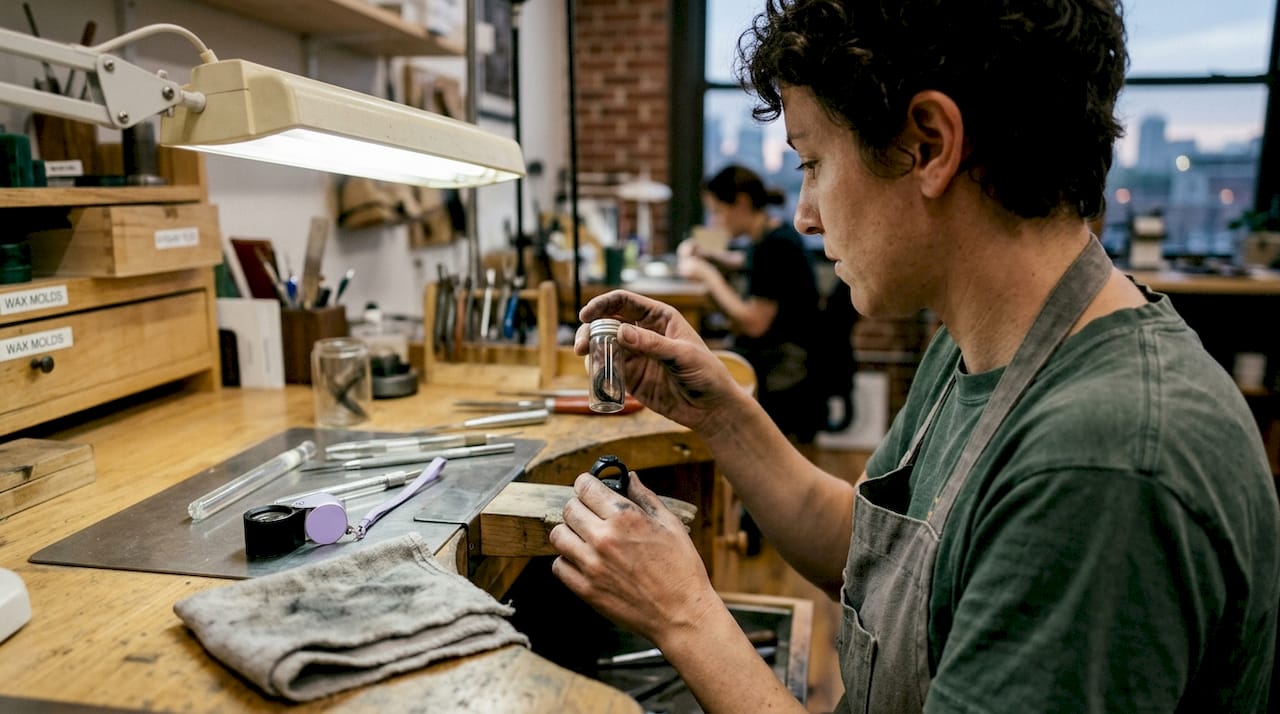
DNA and fingerprint jewelry allow unique personal touches that no other type of jewelry can match. The process sounds complex, but it is more accessible than most people expect.
Here is how DNA diamond creation works, step by step:
Material collection: Hair strands or nail clippings are collected. This requires only a very small sample.
DNA extraction: The DNA is isolated from the biological material. This is where the unique genetic signature is captured.
Carbon isolation: Carbon is separated from the extracted material. Carbon is the foundation of every diamond.
Diamond growth: The carbon is placed in a growth environment that mimics natural diamond formation. This produces a real gem, not synthetic glass.
Cutting and setting: The finished diamond is cut to specification and set into your chosen jewelry design.
The full process at some providers takes as little as two hours, which surprises most families who expect a wait of weeks.
Consideration | DNA diamond | Fingerprint jewelry | Handwriting jewelry |
Biological material needed | Yes (hair/nails) | Optional | No |
Processing time | 2 hours to several weeks (varies) | Days to weeks | Days to weeks |
Privacy sensitivity | High | Medium | Low |
Emotional impact | Very high | High | High |
The privacy question is worth thinking through. You are providing biological material. Ask your provider how that material is stored, who handles it, and what happens to any unused portions after the diamond is grown.
Pro Tip: Look at the dna diamond guide and the full walkthrough of diamond creation from DNA before you start collecting material. Knowing the process upfront prevents mistakes that could delay or complicate your order.
Fingerprint and handwriting elements are typically added after the primary gem or metal piece is created. A fingerprint can be pressed into soft metal or scanned digitally and laser-etched. Handwriting is usually photographed, converted to a vector file, and engraved onto the surface. The emotional result is the same: a piece that could not belong to anyone else.
Choosing and designing your own memorial jewelry
With an understanding of custom creation possibilities, it’s time to get hands-on and see how you can create a personal memorial piece.
Designing memorial jewelry feels overwhelming at first. You are making a permanent decision while processing grief. Having a clear process helps.
Define your intent. Are you making this for yourself, or as a gift for another family member? The wearer’s preferences should guide every other decision.
Choose your personalization type. DNA, fingerprint, handwriting, or ashes. Each requires different preparation from your end.
Decide on the metal and setting. Gold, platinum, and sterling silver are most common. Consider the wearer’s existing jewelry preferences for consistency.
Set your budget early. Knowing your range prevents falling in love with a design that is out of reach, and it helps designers propose realistic options.
Book a consultation. A good provider will walk you through every step, explain what they need from you, and show examples of comparable finished work.
Personalized memorial options range from traditional engraved pieces to innovative DNA and fingerprint designs, meaning there is a realistic path regardless of your budget or timeline.
Common mistakes to avoid:
Rushing the decision. Grief creates urgency. The piece will last a lifetime. Take the time you need.
Skipping the consultation. Many problems in the final piece trace back to unclear communication at the start.
Forgetting about wearability. A beautiful piece that is too delicate for daily use may sit unworn. Ask about durability for your lifestyle.
Not preserving source materials. If you are using handwriting, make copies of the original before sending anything. If you are providing hair, store a backup.
Pro Tip: Work with a provider that offers a preview or approval step before the piece is finalized. Seeing a digital rendering or a wax model before production catches issues early and reduces regret. Check custom jewelry design options to understand what the design process looks like from the inside.
A fresh perspective: Memorial jewelry trends and what most guides miss
Before concluding, let’s step back and reflect on the bigger picture and why memorial jewelry is undergoing more change than ever.
Most buying guides treat memorial jewelry like a product category. Choose a type, set a budget, place an order. What they miss is the emotional architecture underneath the decision.
Modern innovations like DNA diamonds and custom fingerprint pieces are changing how people honor loved ones, but the deeper shift is cultural. Families are moving away from shared, symbolic grief objects toward deeply individual ones. A piece that contains real biological material is not just jewelry. It is an artifact.
This matters because it changes how you should shop. You are not comparing products. You are choosing a relationship with a maker who will handle something irreplaceable. The best providers understand that. They slow you down, ask hard questions about your intentions, and make sure the finished piece reflects the person, not just the idea of memorial jewelry.
The honest challenge is that grief and commerce make uncomfortable partners. Some providers lean too hard on the emotional moment and underdeliver on craftsmanship. Others focus on technique and forget the human story entirely. The sweet spot is a maker who treats preserving loved ones with diamonds as both a technical and a deeply personal act. That balance is what separates a piece you treasure for decades from one that ends up in a drawer.
Explore custom memorial jewelry solutions
If you are ready to move from thinking to creating, the next step is finding the right partner for the process.
Our custom jewelry design services walk you through every decision, from material selection to final setting. If you want personalized guidance before committing to a design, book a personalized jewelry consultation to talk through your options with someone who understands both the technical and emotional sides of the process. You can also explore finished examples like the eternal sparkle diamond to see what a completed DNA piece looks and feels like before you decide.
Frequently asked questions
What materials are commonly used for memorial jewelry?
Popular materials include sterling silver, gold, platinum, and stainless steel. Specialized options include lab-grown diamonds from ashes or DNA, which represent the highest level of personalization currently available.
How does DNA jewelry work in memorial designs?
DNA is extracted from hair or nail clippings, carbon is isolated, and that carbon is grown into a real diamond under controlled conditions. The finished gem is then set into a custom jewelry piece of your choosing.
Can I customize every element of memorial jewelry?
Most makers offer full customization including metal type, gem cut, engraving, and integration of personal elements like handwriting. The scope depends on the provider and your budget.
Is memorial jewelry only for ashes?
Not at all. Many options beyond ashes include fingerprints, handwriting, birthstones, photographs, and DNA, so families can choose an approach that fits what they have available and what feels most meaningful.
Recommended
Comments