DNA diamond guide: How personalized memorial gems are created

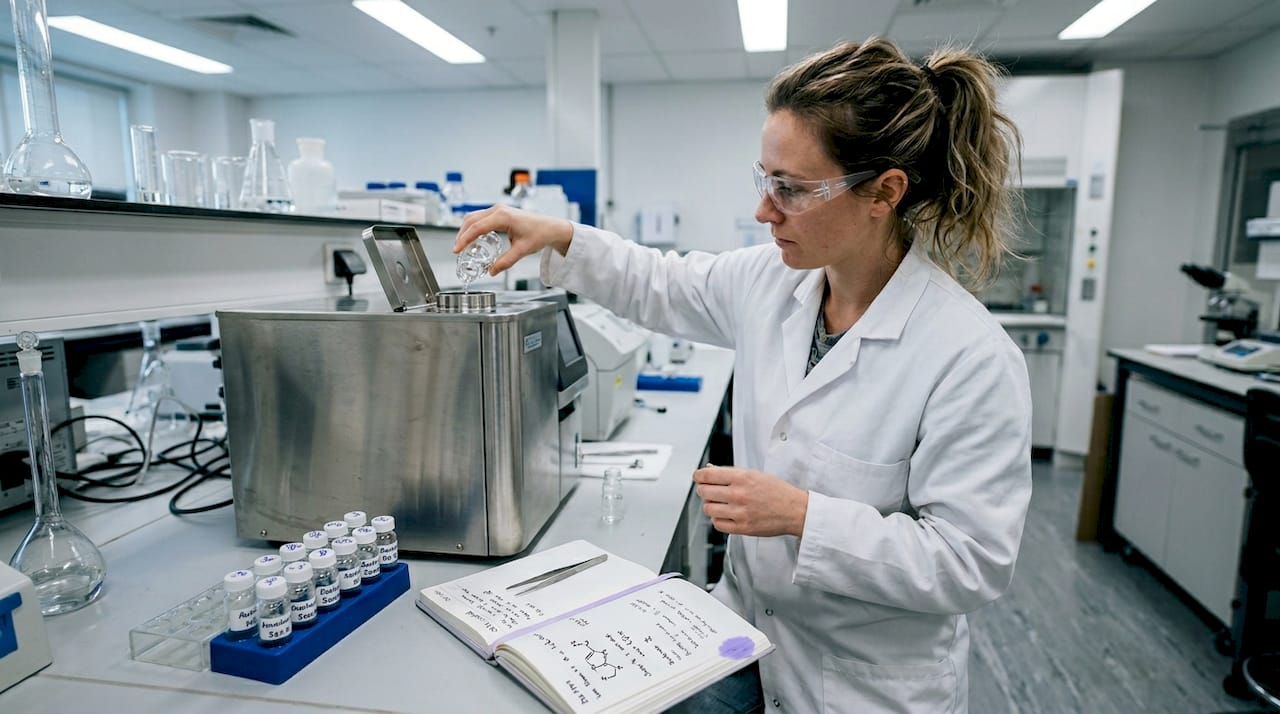
Most people assume a DNA diamond is a diamond that literally contains your loved one’s genetic code, preserved forever inside the stone. That assumption, while understandable, misses the real story. The truth is more nuanced, more scientifically fascinating, and ultimately more meaningful than the marketing language suggests. These gems sit at the intersection of advanced materials science and deeply personal grief, and understanding both sides helps you make a decision grounded in clarity rather than emotion. This guide walks you through what DNA diamonds actually are, how they’re made, what to watch out for, and how to find a provider worthy of your trust.
Table of Contents
Key Takeaways
Point | Details |
DNA diamond basics | DNA diamonds are lab-grown using carbon from personal samples such as hair or ashes. |
Scientific limits | DNA is destroyed during creation, making the diamonds symbolic rather than literal keepsakes. |
Choosing providers | Top providers differ in process, price, and transparency—request chain-of-custody and audits. |
Buyer protections | Ensure traceability and demand clear documentation to avoid fraud and guarantee authenticity. |
Luxury and meaning | DNA diamonds offer personalized luxury memorialization but require thoughtful evaluation by buyers. |
What is a DNA diamond?
A DNA diamond is a lab-grown diamond created by extracting carbon from biological samples that contain DNA. DNA diamonds are lab-grown diamonds created using hair, nails, saliva, blood, or cremation ashes as the carbon source for memorial jewelry. That carbon is then processed and used as a seed or feedstock in a controlled laboratory environment to grow a real, chemically identical diamond.
The word “DNA” in the name is largely symbolic. The actual genetic material does not survive the extreme heat required to grow a diamond. What persists is the carbon itself, drawn from a biological source that once belonged to a person or pet you loved. That distinction matters, and any reputable provider will tell you the same.
Biological samples used to create these diamonds typically include:
Hair strands (most common, easy to collect and ship)
Nail clippings (high carbon content, widely accepted)
Cremation ashes (popular for post-loss memorialization)
Saliva or blood (less common, provider-dependent)
The symbolic weight of these gems is real, even if the science is more modest than the marketing implies. For families honoring loved ones through memorial jewelry, the idea that a diamond grew from material that was once part of someone’s body carries profound emotional resonance. That resonance is legitimate.
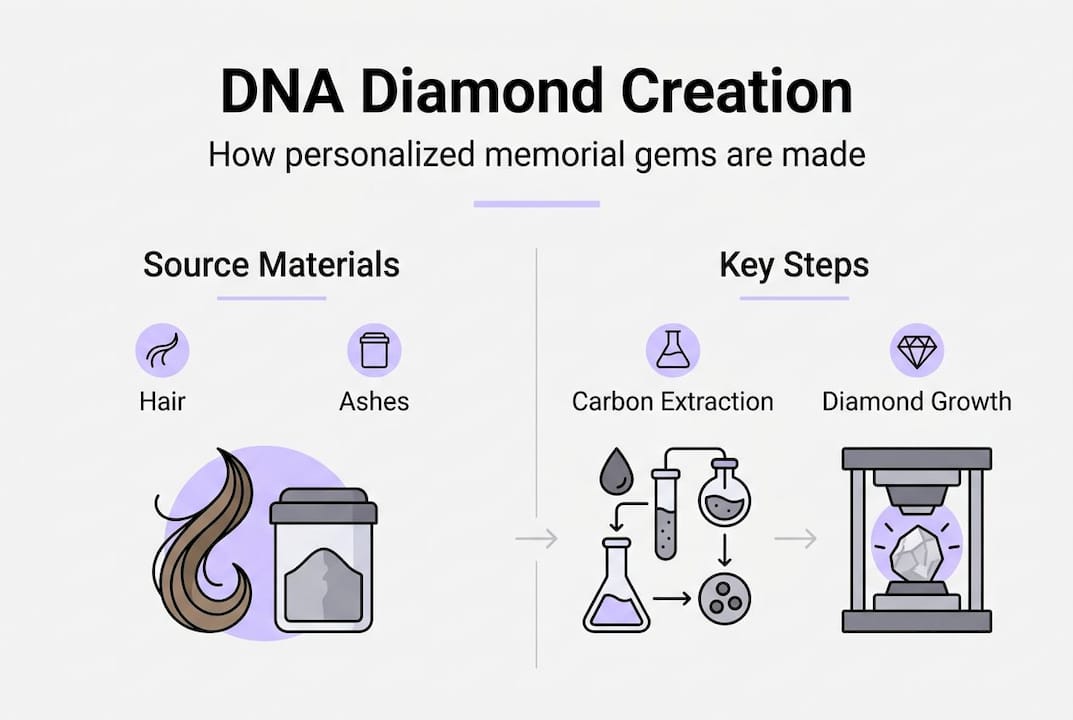
Where things get complicated is the ongoing diamond authenticity debate around whether these stones are meaningfully different from standard lab-grown diamonds. Scientifically, the carbon integration is minimal and largely symbolic. Emotionally, for the right buyer, that trace connection is everything.
Pro Tip: If a provider claims the diamond “contains your loved one’s DNA” without qualification, ask them to clarify. Honest companies will explain that the DNA degrades during production, and that the connection is carbon-based and symbolic, not genetic.
The appeal for affluent, memorial-focused buyers is clear. These are not mass-produced keepsakes. They are custom, certified, wearable gems that carry a story no other stone on earth can replicate.
How DNA diamonds are created: Step-by-step process
Once you know what a DNA diamond is, it’s crucial to understand how these unique gems are actually made. The process is technically rigorous and involves real materials science, not just clever branding.
Sample collection. You send in hair, nails, or ashes using a provider-supplied kit. The sample is logged and assigned a unique identifier to preserve chain of custody.
Carbon extraction. The biological material is processed to isolate carbon. Hair and nails are particularly efficient sources because of their high keratin content.
Purification. The extracted carbon is purified and converted into graphite, the crystalline form of carbon that serves as the growth medium.
Diamond growth. The purified carbon enters either an HPHT (High Pressure High Temperature) or CVD (Chemical Vapor Deposition) reactor, where it crystallizes into a diamond over weeks or months.
Cutting and certification. The rough diamond is cut, polished, and certified by a gemological laboratory before delivery.
One important edge case: if the biological sample doesn’t yield enough carbon, the provider supplements with lab-grade carbon. As noted in independent research, insufficient carbon from a sample leads to supplementation with lab-grade carbon, and the high heat destroys any organic DNA structure, integrating carbon in a graphite-like form into the diamond lattice. This is standard practice, not a red flag, but it reinforces why the “DNA” label is symbolic.
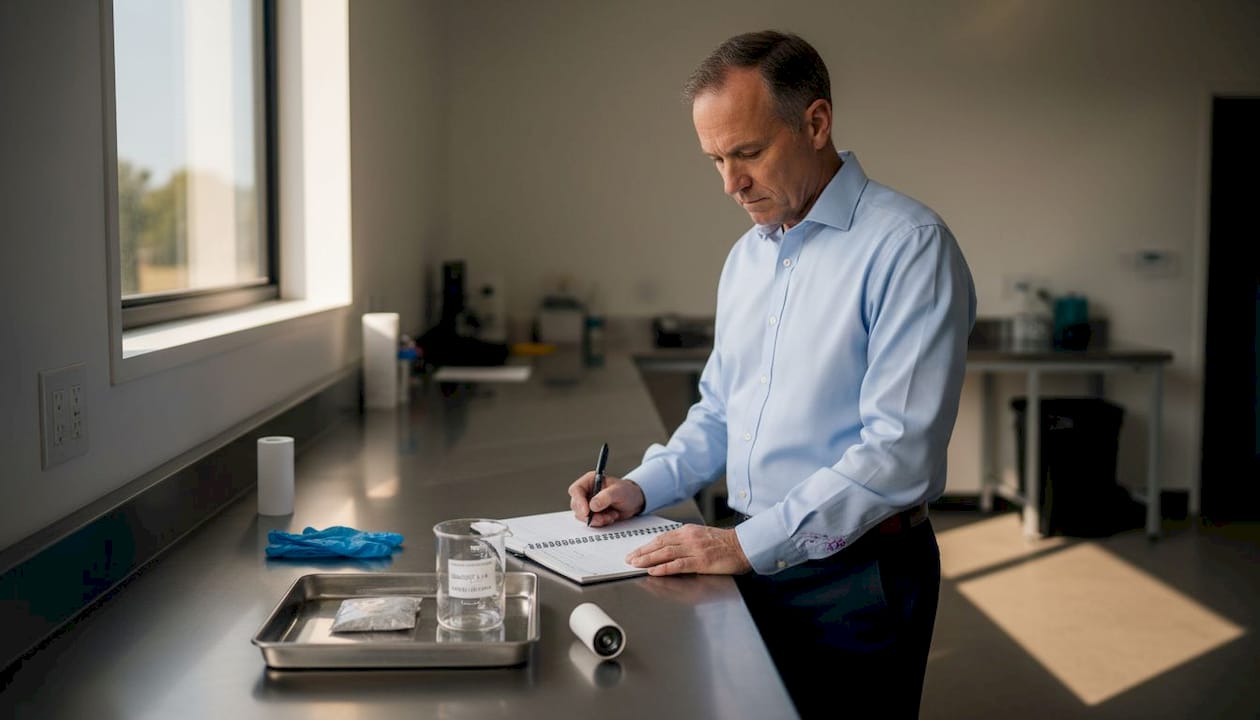
For a broader process overview, the timelines and costs vary significantly by provider and diamond size.
Provider | Method | Timeline | Starting price |
Eterneva | HPHT | 7 to 12 months | $3,000 |
Saint Diamonds | HPHT | 4 to 8 months | $1,500 |
Algordanza | HPHT | 6 to 9 months | $1,800 |
LifeGem | HPHT | 6 to 12 months | $2,500 |
Shinlabz | DNA infusion | 2 hours | Contact for pricing |
Pro Tip: Ask every provider for their chain-of-custody documentation before committing. The best companies log every step from sample receipt to finished stone, and they’ll share that record with you without hesitation.
For those interested in transforming ashes into diamonds, understanding this process helps set realistic expectations about timelines and what the finished gem actually represents.
Choosing a provider: Key considerations and major companies
Understanding the technical process is important, but discerning the right provider matters just as much, especially in a luxury, memorial context. The emotional stakes are high. So is the financial investment.
Major providers in the space include Eterneva, Saint Diamonds, Eternal Diamond, LifeGem, and Algordanza. Each uses slightly different methods, timelines, and pricing structures. Eterneva, for example, offers diamonds up to 5 carats and uses HPHT technology with a production window of 7 to 10 months starting at $3,500. Saint Diamonds emphasizes individual handling and shorter timelines. Eternal Diamond focuses on CVD technology for its process.
What separates a trustworthy provider from a questionable one comes down to a few non-negotiable factors:
Independent certification. GIA and IGI can confirm a diamond is lab-grown, but neither can verify the carbon’s biological origin. That verification relies entirely on the provider’s internal documentation.
Chain-of-custody reports. A reputable company tracks your sample from arrival through every stage of production. Request this report before you pay.
Lab visit options. Some providers invite clients to visit the facility. That level of transparency is a strong trust signal.
Clear supplementation policy. Ask directly: what happens if my sample doesn’t yield enough carbon? The answer should be honest and detailed.
“When evaluating a memorial diamond provider, treat it like a financial audit, not an emotional purchase. Ask for documentation, request references, and verify certifications independently.” This mindset protects you without diminishing the meaning of what you’re creating.
A comprehensive fraud report from independent researchers documents cases where providers made unverifiable claims or failed to deliver promised stones. Reading it is uncomfortable but valuable. Visit the memorialization blog for curated guidance on navigating this space, and explore memorial innovations shaping the future of personalized gems.
DNA diamonds: Meaning, controversies, and buyer protections
Even with the right provider, the meaning and authenticity behind DNA diamonds require close scrutiny. Let’s explore what you should know before making a decision of this magnitude.
The symbolism is powerful and real. A diamond grown from carbon that once existed in a person’s hair or nails carries a connection that no other gemstone can claim. For many buyers, that is enough. The gem becomes a permanent, wearable expression of love and memory, something that outlasts flowers, photographs, and even memory itself.
But the controversies are equally real. Critics argue that companies claim symbolic personal integration while downplaying the fact that ashes often lack sufficient carbon, that DNA degrades entirely, and that the resulting diamond may be largely indistinguishable from any other lab-grown stone. The concern is that grief makes buyers vulnerable to claims that cannot be independently verified.
Key buyer risks include:
Unverifiable carbon origin. No third-party lab can confirm the carbon in your diamond came from your sample.
Supplementation without disclosure. Some providers add lab-grade carbon without clearly informing the buyer.
Emotional pricing. Memorial context can inflate prices beyond what the product’s technical specifications justify.
Delivery failures. Documented cases exist of companies failing to deliver finished stones or returning generic diamonds.
“The grief economy is real. Buyers in mourning are statistically more likely to make large purchases without standard due diligence. Awareness of this dynamic is your first line of defense.”
A detailed fraud investigation outlines specific cases and red flags worth reviewing. For those committed to this form of eternal ashes diamonds memorialization, the solution is not avoidance but preparation. Request documentation. Ask hard questions. Involve a trusted advisor in the decision.
The uncomfortable truth about DNA diamonds in luxury memorialization
With context on risks and meaning, here’s our candid perspective on the DNA diamond trend for luxury memorialization.
We believe DNA diamonds are genuinely meaningful objects. We also believe the industry has a transparency problem it hasn’t fully addressed. The process is scientifically valid for producing lab-grown diamonds, but the “DNA diamond” label is largely a marketing construct. The actual DNA degrades, the carbon trace is minimal, and the resulting gem is chemically identical to any other lab-grown diamond. That’s not a scandal. It’s just the truth.
What makes these gems worth the investment is not the science. It’s the intention, the ritual, and the story. A diamond that began as a lock of hair from someone you loved is different from a diamond that didn’t, even if a spectrometer can’t tell them apart. That difference lives in you, not in the stone.
Where we draw the line is with providers who exploit that emotional reality without delivering verifiable process integrity. Luxury buyers deserve more than a beautiful story. They deserve documentation, accountability, and a provider who welcomes scrutiny. Explore the future of memorial diamonds with companies willing to show their work, not just tell their story.
Connect with personalized DNA diamond expertise
Ready to explore a DNA diamond for memorialization or unique luxury? Here’s where to connect with trusted expertise.
Shinlabz takes a different approach to memorial diamonds. Rather than a months-long wait, the entire DNA infusion process takes just two hours, integrating DNA extracted from hair or nails directly into a finished diamond. It’s precision, speed, and meaning delivered together.
Whether you’re ready to immortalize a diamond with a loved one’s DNA, explore custom jewelry design for a one-of-a-kind piece, or simply want to ask questions before committing, the team is available through online booking. Every conversation starts with your story, not a sales script.
Frequently asked questions
Does a DNA diamond actually contain DNA?
No. The extreme heat used during diamond growth destroys all organic material, including DNA. The stone contains carbon sourced from a biological sample, but no genetic information survives the manufacturing process.
How can I verify the origin of the carbon in my DNA diamond?
Certification from GIA or IGI confirms lab-grown origin but cannot verify the carbon’s biological source. That verification depends entirely on the provider’s chain-of-custody documentation, which you should request before purchase.
How much does a DNA diamond typically cost?
Prices range from $1,500 to $75,000 depending on size, provider, and included services. Most buyers start in the $3,000 to $5,000 range for a modest, well-crafted stone.
How long does it take to create a DNA diamond?
Most traditional providers require 4 to 12 months for production. Shinlabz completes its DNA infusion process in two hours, making it a notable exception in the industry.
Are DNA diamonds considered eco-friendly?
Some providers market them as eco-friendly because they are lab-grown and repurpose personal biological material. However, scientific consensus on the environmental impact of lab diamond production is still developing, so claims should be evaluated carefully.
Recommended
Comments